If your outdoor landscape lighting is not turning on, the problem is often caused by power interruptions, corroded wiring, faulty transformers, or damaged cables. Many outdoor lighting not working issues are simple to identify once the main components are inspected. Understanding common LED landscape lighting troubleshooting problems can help you know when a quick fix is possible and when professional landscape lighting repair in NJ is the better option.
- Tripped GFCI Outlet or Circuit Breaker
When an entire lighting system suddenly stops working, the first place to check is the power supply. Outdoor lighting transformers rely on a working outlet and breaker to deliver electricity to the system. Moisture, electrical surges, or temporary overloads can easily trip safety devices. If power is interrupted, the lighting system will not turn on.
Common power issues include:
- Tripped GFCI outlets caused by moisture exposure
- A home circuit breaker that has shut off power to the outlet
- An outdoor outlet that needs to be reset manually
- Electrical overload caused by adding too many lights to one circuit
Resetting the outlet or breaker often restores power quickly.
- Corroded Wire Connections
Outdoor lighting systems operate in wet and changing weather conditions. Over time, moisture can cause corrosion where wires connect underground or near fixtures. Many older systems use simple wire connectors that are not designed for long term exposure to water. Corrosion weakens the electrical connection and stops power from reaching the fixtures.
Signs of corroded connections include:
- Lights that flicker or turn off randomly
- Sections of the lighting system not working
- Green or white residue on exposed wires
- Loose connectors that no longer hold wires tightly
- Damaged or Cut Landscape Lighting Wires
Outdoor lighting cables are usually buried just below the soil surface. This makes them vulnerable to accidental damage during routine yard maintenance. Lawn equipment, edging tools, or digging projects can easily cut or weaken lighting wires. Even small breaks in the cable can interrupt power flow.
Common causes of cable damage include:
- Lawn mowers or string trimmers hitting exposed wiring
- Edging along walkways cutting shallow buried cables
- Soil movement or roots shifting wiring underground
- Pets digging in areas where wires are installed
If wiring damage occurs, professional LED landscape lighting troubleshooting can help locate and repair the broken section safely.
- Faulty or Overloaded Transformer
The transformer is the central power source for most low voltage outdoor lighting systems. It converts standard household electricity into a safe voltage used by landscape lighting fixtures. If the transformer fails or becomes overloaded, the entire lighting system may stop working. This often happens when too many lights are added to the same transformer.
Two common situations can occur:
Transformer failure
- Internal components wear out over time
- The transformer stops delivering power to the system
Electrical overload
- Too many fixtures are connected to one transformer
- The internal breaker shuts down the system
Checking the transformer capacity and wiring load is an important step during landscape lighting repair in NJ.
- Burnt Out or Loose Bulbs
Sometimes the problem is as simple as a failed bulb. Individual landscape lighting fixtures can stop working when bulbs burn out or become loose inside the socket. LED bulbs last longer than traditional bulbs, but they can still fail due to age, voltage issues, or poor installation.
Common bulb related problems include:
- Burnt out bulbs that no longer produce light
- Bulbs that loosen due to vibration or temperature changes
- Incorrect replacement bulbs causing voltage problems
- Water entering fixtures and damaging internal components
Replacing bulbs and checking fixture seals can often restore proper lighting performance.
- Faulty Timer or Photocell Sensor
Many outdoor lighting systems rely on timers or photocell sensors to turn lights on automatically at dusk. When these components malfunction, the lights may not activate even though the system has power. Timers can lose programming or stop functioning over time. Photocell sensors may also become blocked by dirt or debris.
Common sensor and timer issues include:
- A timer that no longer activates the lights
- A photocell sensor covered with dirt or debris
- Incorrect timer settings after a power outage
- Faulty sensors that need replacement
Cleaning or replacing these components can often resolve outdoor lighting problems.
When Outdoor Lighting Problems Keep Coming Back
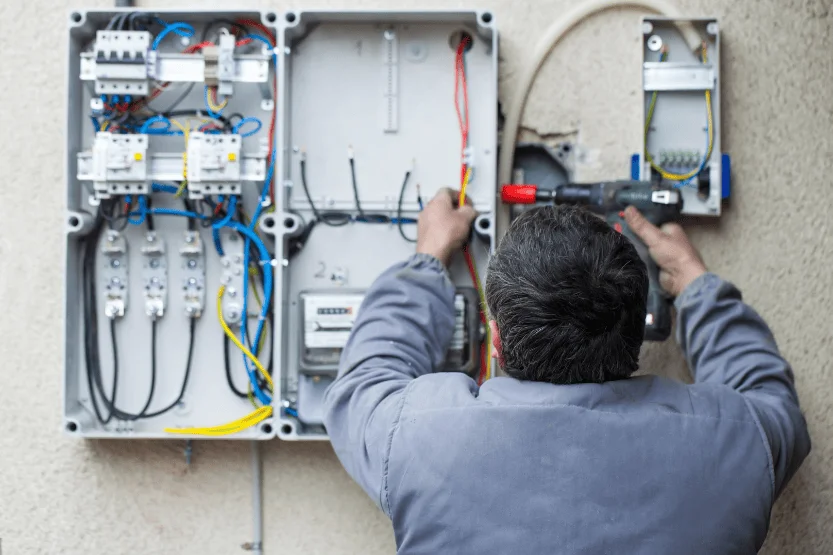
Outdoor lighting systems include several electrical components working together, so recurring issues often point to a deeper problem. Inspecting transformers, underground wiring, timers, and fixtures usually requires proper tools and experience.
At Ecosystems Total Outdoor Solutions, we provide landscape lighting repair NJ homeowners trust to restore reliable outdoor lighting performance. Our team inspects transformers, wiring connections, sensors, and LED fixtures while also offering upgrades and installations through our professional outdoor lighting services for safer and brighter properties.
Fix Your Outdoor Lighting Before the Problem Gets Worse
If your outdoor landscape lighting is not turning on, our team can quickly find the cause and restore your system. We repair wiring, transformers, fixtures, and other common issues affecting outdoor lighting performance. With professional LED landscape lighting troubleshooting, we help bring reliable nighttime lighting back to your property. Contact us now!