Spring is the perfect time to prepare your sprinkler system for the season ahead. Before turning on your irrigation, it is important to inspect key components, clean sprinkler heads, and confirm the system is ready after winter.
Proper sprinkler start up preparation helps prevent leaks, damaged pipes, and uneven watering. Following a few simple irrigation startup tips can protect your system and help your lawn receive the water it needs for healthy spring growth.
- Start With a Quick Inspection of Your Irrigation System
Before activating your sprinklers, take time to inspect your irrigation system after winter. Cold temperatures and months of inactivity can damage pipes, valves, and other components. A quick inspection helps catch problems early before water pressure increases.
Check these key parts of your system:
- Backflow preventer: Look for visible cracks, leaks, or loose fittings.
- Irrigation valves: Make sure valves are intact and not leaking.
- Exposed pipes: Inspect for splits or damage caused by freezing temperatures.
- Controller and wiring: Confirm the irrigation controller powers on and settings are correct.
Catching issues at this stage is one of the most important irrigation startup tips homeowners should follow each spring.
- Clean and Check Every Sprinkler Head
Sprinkler heads often collect dirt, mulch, or debris during the winter months. Blocked nozzles can cause uneven watering, poor spray patterns, and water waste. When preparing your sprinkler system for spring, check each head carefully:
- Remove dirt, leaves, or mulch blocking the nozzle.
- Confirm heads pop up correctly and retract when the system turns off.
- Adjust the spray direction so water does not hit sidewalks or walls.
- Replace cracked or broken sprinkler heads.
Taking a few minutes to clear and adjust sprinkler heads helps restore proper irrigation coverage.
- Make Sure the Ground Has Fully Thawed
Turning on an irrigation system too early can lead to serious pipe damage. If the ground is still frozen, water pressure may cause underground pipes to crack or burst. Before activating your sprinklers, check these conditions:
- Air temperatures stay consistently above freezing.
- The soil is no longer frozen and can be easily dug.
- There is no frost expected overnight.
Waiting until conditions are stable helps protect the entire irrigation system from unnecessary damage.
- Slowly Pressurize the Irrigation System
One of the most important irrigation startup tips is turning the system on slowly. Opening the water supply too quickly can create a pressure surge known as water hammer, which may damage pipes and fittings.
Follow these steps for a safe sprinkler start up:
- Open the main water valve slowly.
- Allow water to gradually fill the pipes.
- Listen for unusual sounds or signs of leaks.
- Stop immediately if water pressure drops suddenly.
A slow start allows the system to stabilize and reduces stress on irrigation components.
5. Test Each Irrigation Zone Individually
Once the system is pressurized, run each irrigation zone separately. Testing zones one at a time helps identify leaks, misaligned heads, or uneven coverage. During your spring lawn irrigation checklist, look for:
- Dry areas that may indicate clogged sprinkler heads.
- Overspray hitting driveways or structures.
- Low pressure or weak spray patterns.
- Water pooling in certain areas of the lawn.
Adjust sprinkler heads and controller settings so every zone provides balanced watering.
6. Prepare Your Lawn Before Watering Begins
Your lawn also needs preparation before regular irrigation begins. Removing winter debris and improving soil conditions allows water to penetrate deeper and reach the roots. Before starting your irrigation schedule:
- Rake away leaves, twigs, and dead grass.
- Aerate compacted soil to improve water absorption.
- Overseed thin or patchy areas of the lawn.
- Set your mower height to about three inches to promote strong roots.
These simple steps help maximize the benefits of your irrigation system throughout the growing season.
Professional Sprinkler Startup Services for New Jersey Homes
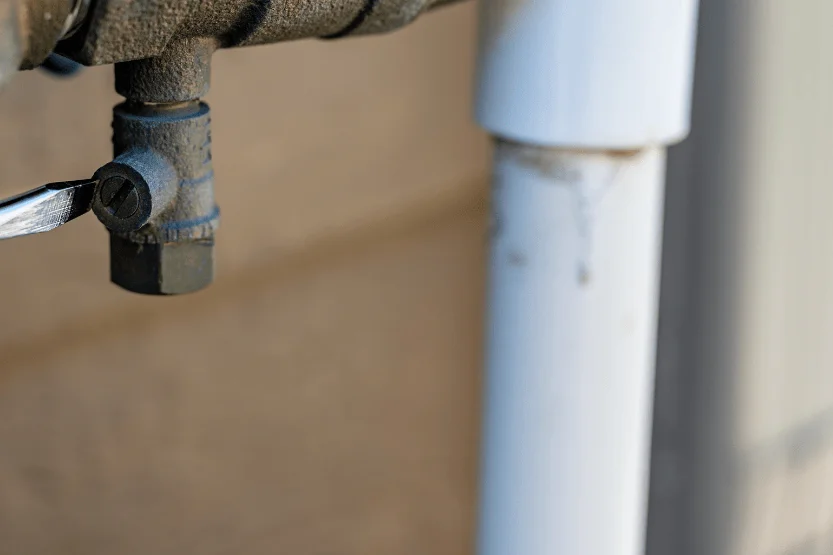
While many homeowners attempt a sprinkler start up themselves, hidden issues can easily go unnoticed. Small leaks, damaged valves, or backflow preventer problems may only appear once the system runs under pressure.
At Ecosystems Total Outdoor Solutions, we provide professional irrigation startup services to help prepare sprinkler systems for spring. Our team carefully inspects each component, tests irrigation zones, adjusts sprinkler heads, and identifies early signs of system damage. Homeowners across New Jersey rely on us for dependable irrigation services that keep sprinkler systems running efficiently all season.
Schedule Your Sprinkler Start Up and Prepare Your Lawn for Spring
Preparing your sprinkler system for spring helps prevent leaks, pressure problems, and costly repairs later in the season. A proper sprinkler start up includes inspecting components, cleaning heads, and safely pressurizing the system. If you want your irrigation system running efficiently from the start, our team can help. Schedule a professional sprinkler start up service and get your lawn ready for the season. Contact us here.