If you are planning a proper spring sprinkler system startup, the main goal is to wait until the hard-freeze risk has passed, then bring the system online slowly and test each zone carefully. For most New Jersey properties, that usually means mid-to-late April, although coastal areas may be ready sooner and colder inland areas may need a little longer. A full spring startup should also include controller checks, valve testing, head adjustments, rain-sensor inspection, and pressure testing.
When to Schedule Sprinkler Spring Startup in NJ
The best time for sprinkler spring startup in NJ depends on how quickly your area moves past frost season. South and coastal areas often warm up sooner, while inland and higher-elevation parts of North Jersey usually need a later window. For 2026 planning, using local frost timing is a smart way to avoid turning water on too early.
- Bergen County: many areas are commonly around April 11 to 20
- Ocean County: many areas are commonly around April 11 to 20
- Morris County: often falls around April 21 to 30 or even May 1 to 10 in colder spots like Morristown and Dover
- Practical rule: wait until the risk of hard frost has passed and the ground is no longer cold and saturated
- Safe timing for most homeowners: mid-to-late April, with some South Jersey systems starting earlier and some North Jersey systems waiting into early May
What to Check Before You Turn the Water On
Before you pressurize anything, do a full walkaround. This is the most overlooked part of irrigation spring startup, and it is often where winter damage shows up first. A cracked fitting or damaged head is much easier to deal with before the system is under full pressure.
- Inspect the backflow preventer for cracks, separated fittings, or visible leaks
- Open valve boxes and check for standing water, mud buildup, insects, or damaged wiring
- Look at each sprinkler head for cracks, missing nozzles, tilt, or impact damage near curbs and walkways
- Confirm that any manual drain valves are closed
- Check exposed piping and fittings around the home for split parts or loose unions
- Make sure the controller has power before startup begins
How to Start Up Sprinkler System in Spring Without Damaging It
A safe startup is all about going slow. Opening the mainline too fast can create a sharp pressure surge that stresses pipes, valves, and sprinkler heads. That is why a careful zone-by-zone activation walkthrough matters much more than simply flipping everything on at once. Here is how the process needs to be done:
- Open the main valve slowly: Bring water into the system gradually so pressure builds in a controlled way.
- Let air escape as the system fills: This helps reduce stress on lines and fittings.
- Watch and listen carefully: Look for puddling, spray bursts, or water movement where it should not be.
- Pause if anything seems off: A small problem during startup can become a much larger repair once pressure fully builds.
- Move into zone testing only after the mainline is stable: Once the system holds pressure, you can begin checking one zone at a time.
Zone by Zone Startup Walkthrough for New Jersey Homes
Once the system is pressurized, run each zone manually for a few minutes. This is the best way to confirm coverage, spot hidden damage, and clean up issues before the season gets busy. A proper spring sprinkler system startup is never just turning the timer back on and hoping everything works.
- Run each zone for about 2 to 5 minutes
- Check that every head pops up fully
- Make sure rotors turn correctly
- Clean clogged nozzles and flush out debris
- Adjust spray arcs so water stays off siding, sidewalks, and driveways
- Look for misting, sputtering, weak spray, or overspray
- Confirm each zone is covering the right area without dry spots or runoff
What Winter Damage Sounds Like Versus a Dirty Head
A lot of homeowners miss early warning signs because they are listening for obvious failure only. In reality, a damaged head and a dirty nozzle can sound very different. Paying attention during sprinkler startup near me searches or DIY testing can help you decide whether you need a simple adjustment or a service call.
- Cracked head or broken fitting: sharper hissing, spraying sideways, bubbling around the base, or a fast loss of pressure
- Dirty nozzle: uneven fan pattern, sputtering, partial blockage, or a weaker inconsistent spray
- Broken underground pipe: rushing-water sound, soggy area, bubbling soil, or standing water where no head is visible
- Valve issue: one zone not shutting off cleanly, delayed activation, or weak operation across part of the zone
If the sound is paired with pooling water or a major pressure drop, it is usually more than a dirty nozzle. That is the point where professional diagnosis makes sense.
Controller Setup Matters More Than Most Homeowners Think
After winter, the controller should not just be turned back on and ignored. Spring watering needs are different from July watering, and a poor schedule can waste water fast. EcoSystems’ own service page specifically includes controller programming, backup battery replacement, and rain-sensor setting checks during spring activation.
- Replace the backup battery if needed
- Confirm the controller kept or restored the correct date and time
- Program a lighter spring schedule, not a peak-summer schedule
- Test the rain sensor
- If you use a smart controller, verify it is connected and updated
- Review watering days and run times before leaving the system on automatic
New Jersey Watering Rules and Smart Scheduling Tips
Startup is also a good time to make sure your watering habits line up with local requirements. New Jersey law requires certain automatic sprinkler systems to have an operational rain sensor or smart sprinkler, and some municipalities have specific watering-hour rules. Avalon, for example, limits irrigation to midnight through 9:00 a.m. on designated days, with even and odd address scheduling.
For general spring performance, aim for deeper, less frequent watering instead of short daily cycles. That usually supports better root growth and reduces waste compared with frequent shallow watering.
DIY or Call a Pro?
Some sprinkler startups are simple. Others are not. If your system has a history of leaks, pressure problems, controller issues, or damaged components, professional startup is usually the faster and safer option.
| Situation | DIY may be fine | Call a pro |
| You only need to turn the controller back on | Yes | No |
| One nozzle is clogged and easy to clean | Yes | No |
| A head is cracked or missing | Maybe | Yes |
| You hear rushing water or see soggy spots | No | Yes |
| Backflow preventer looks cracked or leaking | No | Yes |
| Zones have uneven pressure or multiple failures | No | Yes |
| You want full controller programming and system tuning | Maybe | Yes |
| You want a written report and repair recommendations | No | Yes |
We’re the Team to Call for a Proper Spring Activation
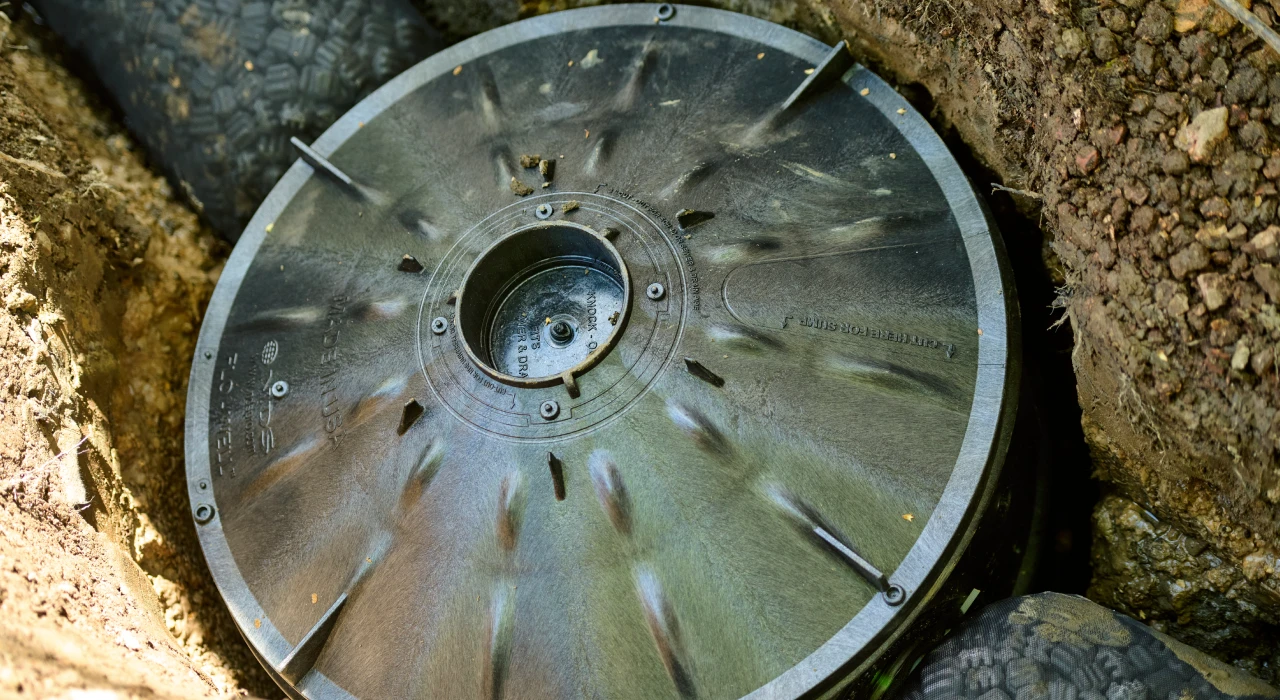
When we handle a startup, we do more than just turn the system back on. At Ecosystems Total Outdoor Solutions, we inspect the plumbing inside and outside, replace the backup memory battery when needed, test station valves, adjust sprinkler heads for proper coverage, check rain-sensor settings, perform a mainline pressure test, and provide recommendations if repairs are needed.
We also offer related irrigation services like mid-season tune ups, fall winterization, repairs, backflow preventer testing, smart controller upgrades, and ongoing irrigation memberships, so you are not left guessing once the season gets moving.
Book Your Spring Sprinkler Startup Before the Season Gets Busy
A careful spring sprinkler system startup helps you catch freeze damage early, avoid wasted water, and get every zone ready for the season ahead. If you want your system checked, adjusted, and programmed the right way for New Jersey conditions, book your spring startup service now and get ahead of the rush before warm weather really sets in. Contact us today!